Wind-assisted propulsion is usually discussed in terms of fuel savings and lower CO₂ emissions. But its value may go further.
At Windtracx, we are exploring whether a wind-assisted propulsion system can also support better maritime risk evaluation through improved monitoring, weather feedback, and operational awareness.
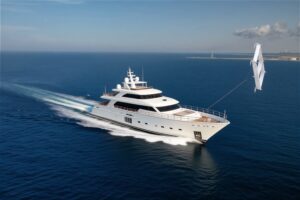
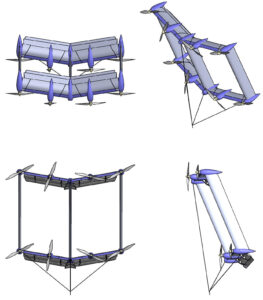
Windtracx is developing a high-altitude aero-kite drone system designed to support vessel propulsion by harnessing stronger and more consistent winds at altitude. In addition to reducing fuel consumption and emissions, the system is being developed with broader operational capabilities in mind.
To explore this potential, Windtracx has signed a Letter of Intent with José Cavalli, an insurance professional, to assess how data generated by our wind propulsion and aerial surveillance system could contribute to stronger maritime risk evaluation.
Why This Matters for Shipping
The maritime sector is under increasing pressure to reduce emissions, improve efficiency, and adopt technologies that create measurable operational value.
That is why the conversation around wind-assisted propulsion is evolving. It is no longer only about cleaner shipping. It is also about how new technologies can improve the way vessels operate and how risks are understood.
Through our testing activities, Windtracx is assessing how passive and active monitoring, together with enhanced weather feedback, may support better safety and risk mitigation for vessels equipped with our system.
For shipowners and operators, this matters because better data can support better decisions at sea.
Wind Propulsion, Safety, and Insurance Potential
This exploratory work is based on a simple but important question:
Can a wind-assisted propulsion system offer benefits beyond propulsion itself?
If a vessel can combine lower fuel consumption and lower emissions with stronger situational awareness and better operational feedback, that may influence how maritime risks are evaluated in the future.
In practical terms, this opens an interesting perspective for the shipping industry. Wind-assisted propulsion may become relevant not only for decarbonization and efficiency but also for vessel safety, maritime risk mitigation, and potentially insurance evaluation.
A Broader View of Maritime Innovation
At Windtracx, we believe the future of maritime innovation will be shaped by solutions that create value on multiple levels.
Cleaner propulsion remains essential. But long-term adoption will also depend on whether technologies can improve operations, support safety, and make stronger business sense for shipowners.
That is why this LOI matters. It reflects a broader vision for wind-assisted propulsion: not only as a decarbonization tool but also as part of a smarter, more resilient approach to shipping.